
Subscribe and receive email notifications of new blog posts.
 RSS Feed
17
Winter Gardening Hacks: Composting, Planning, and Planting Indoors
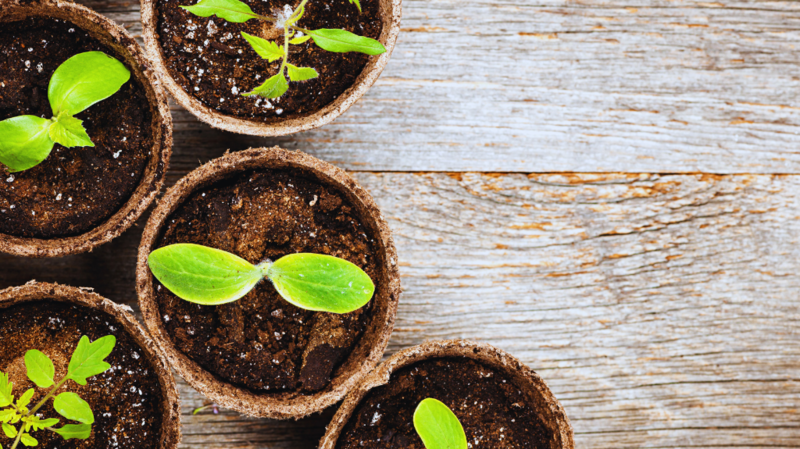
Most gardeners can't wait for spring to arrive to get started on their planting. You might not be able to speed up time, but you can make the most of these last few weeks of winter by doing some indoor planting. Many of our real estate agents have been starting their gardens early this way for years. Follow the tips below to discover what they've learned and how you can get your growing started this February.
- Start a Compost Bin
Compost is a gardener's best friend, offering all of the nutrients plants need for optimal growth. It's easy to make your own, but the process takes time. Get a head start by collecting all of your organic kitchen scraps and yard waste into a dedicated compost bin.
Everything from apple cores and coffee grounds to dried leaves and newspaper strips can be added to the bin. Keep meat, dairy products, and pet waste out of it to avoid contaminating the compost with harmful bacteria. Stir the mixture every few days and after a few weeks, you'll have all the rich dark compost you'll need to get your garden going. - Plan Your Garden
Do you know what you want to plant in your garden? If not, it's time to figure it out. Look up a list of plants that grow well in your region, then choose a few from that list. Don't forget to consider things like spacing and sun requirements. Not all plants will grow equally well in all gardens, and that's okay – you'll get better results by adapting your gardening to suit the conditions on your property instead of fighting against them.
Once you've finalized your selections, order your seeds right away. You'll need to have them ready before you can progress to the next step. Only buy from reputable seed companies you know you can trust. - Begin Planting
When your seeds arrive, you can start planting them in grow trays. Dig a small hole in the soil in each hollow in the grow tray, then place the seeds in it. Bury them at least an inch deep to give them room to develop strong roots. Water each according to its needs (don't overwater!), and keep the tray covered with a plastic lid when you're not working on your seedlings. This will keep the water from evaporating too quickly for your plants to make use of it.
Use potting soil formulated specifically for seed starting to give your seedlings the best possible nutrition while they grow. Depending on how much sun your tiny plants need, you may also want to invest in a grow light to supplement any natural sunshine you can give them. Most seeds need around 16 hours of sunlight or grow light exposure to thrive. - Do Your Homework
While you're waiting for your seeds to sprout, take some time to brush up on your gardening knowledge. Have you always wanted to know more about the soil composition in your region or how to increase the yield of fruit and vegetable plants? The information is out there and waiting for you. Learn it now, and you'll be ready to put it to use in the spring!
You may be able to find all of the resources you need online, but if not, consider checking out your local library. You're sure to find books on gardening topics that interest you, and there may even be some upcoming workshops or gardening group meetups you can sign up for. Some branches also lend tools and kits that will make some of your tasks easier when you're ready to plant outdoors.
If your gardening dreams are too big for your current property, it might be time to start looking for an upgrade. Our current roster of homes includes many beautiful properties with large front and back yards perfect for growing anything your heart desires. Contact us today for further details or to connect with one of our real estate experts.