
Manteria Real Estate Market News
 RSS Feed
Subscribe and receive email notifications of new blog posts.
RSS Feed
Area Information | 139 Posts
Buying | 30 Posts
Homeowners | 63 Posts
Real Estate Blogs | 4 Posts
Selling Your Home | 24 Posts
Uncategorized | 43 Posts
April
18
18
Add Value To Your Home With These Basement Finishing Tips
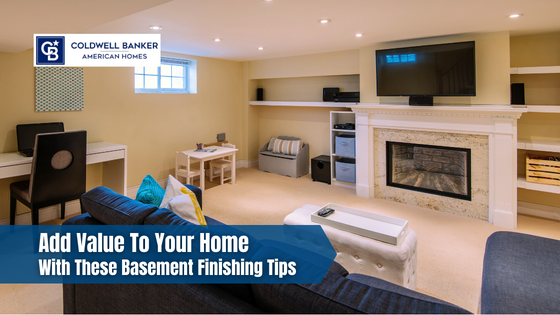
There is a lot of value in ample extra living space, which is why finished basements remain highly popular. They're a top item on buyers' wish lists year after year, so it's definitely an investment our real estate agents recommend. Some even suggest a finished basement can increase your home's value by anywhere from 50% to 70%.
Finishing your basement can be a large DIY project, but it's absolutely achievable, even for those without home improvement experience. Here are some tips to help you along the way:
- Decide How You'll Use The Space
A finished basement can have many uses: a den, exercise area, or even an extra bedroom. Before you dive into the work, take some time to consider how you'll use the room. A solid vision allows you to create a game plan and take all the right steps to ensure your basement turns out right. For inspiration, check out the finished basements in these Suffolk County homes for sale. - Over-Insulate
Insulation is one of the keys to eliminating that dingy, cold basement vibe. It also helps keeps your basement warm in the winter and cool in the summer. Polystyrene foam is one of the easiest and most effective types of insulation to use. Apply it to your foundation prior to hanging your drywall. - Create A Moisture Elimination Strategy
To turn your basement into a comfortable living space, you'll need to make sure it's dry. Eliminating moisture can be tricky — especially if most of your basement is below ground. Start by sealing any cracks in the foundation and install a good humidifier to keep the room nice and dry and prevent mold growth. - Start Your Framing
Framing is one of the most complicated steps, but as long as you carefully measure your boards, you should be ok. Use two-by-fours to create frames along the wall. You'll need boards that run both vertically and horizontally, so take into account the thickness of the top and bottom horizontal boards when cutting your vertical boards. You'll want to place your vertical boards about two feet apart. - Hang Drywall
Once your frames are up, you can begin to cut your drywall. Hanging your drywall horizontally is usually easiest, though vertically is also an option. Measure each piece from stud to stud and then secure it to the frame with drywall screws. Then, use caulk to cover seams and drywall tape. - Leave The Electric and Plumbing To The Pros
If you're adding new lighting, outlets, or a bathroom, don't attempt to do it electrical or plumbing yourself. It's best to leave the complicated work to licensed professionals. If you want to increase your resell value, you'll want to make sure this work is done correctly and up to code. - Install Your Flooring
You have many options when it comes to a finished basement floor. Carpet, vinyl flooring, or an epoxy coating are all viable choices. How you intend to use the space can help influence the type of flooring you choose. Certain types of flooring can be tricky to install, so consult a professional if you don't feel comfortable putting it down yourself. - Customize Your Space
Finally, the fun part begins. When your drywall is up and your floors down, you can begin to paint, furnish, and add decor. Customize your space any way you'd like. Just try to avoid using dark color schemes, especially if space natural light is limited.
Finishing your basement can help your home sell much faster. Contact us today to discuss the best way to promote your listing.